Horticultural Automation
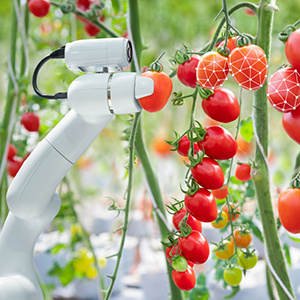
Horticultural automation refers to the use of technology and automated systems to manage and optimize horticulture operations such as planting, irrigation, fertilization, pest control, harvesting, and climate control. It aims to increase efficiency, reduce labor costs, and improve the consistency and quality of crops in greenhouses, nurseries, and open fields.
Common automation systems in horticulture include automated irrigation and fertigation, climate control systems (temperature, humidity, CO₂), sensor-based monitoring, robotic harvesting, and conveyor systems for potting or transplanting. These systems are often controlled through a centralized software platform or integrated with IoT and remote monitoring.
Automation helps in better resource management—ensuring plants get the right amount of water, nutrients, and light—while reducing human error. It also supports sustainable farming practices by conserving water and minimizing fertilizer and pesticide use.
With rising labor challenges and demand for precision agriculture, horticultural automation is becoming essential for modern farms and commercial growers, especially in high-value crops like vegetables, fruits, flowers, and herbs.